Grandma's Kitchen, American Pantry: How Belarusian Diaspora Cooks Are Keeping Old Recipes Breathing

Photo: U.S. Department of State, Public domain, via Wikimedia Commons
There's a particular kind of homesickness that lives in your nose. You catch a whiff of something — sautéed onions hitting a hot pan, maybe, or the faint sour tang of fermenting rye — and suddenly you're not in your apartment in Queens anymore. You're somewhere else entirely. For thousands of Belarusians living across the United States, that smell is the closest thing to a time machine they've got.
Belarusian cuisine doesn't get a lot of airtime in the American food conversation. There's no Belarusian Chipotle, no buzzy Minsk-inspired pop-up in Brooklyn (yet). But in home kitchens scattered from the Pacific Northwest to the mid-Atlantic, diaspora members are doing something that no restaurant could replicate anyway: cooking from memory, from handwritten cards, from phone calls with elderly relatives who measure everything in handfuls.
The Recipe Card as Artifact
Natalya, who moved from Hrodna to the Philadelphia suburbs in the late 1990s, keeps a small wooden box on her kitchen counter. Inside are maybe thirty index cards, handwritten in a mix of Belarusian, Russian, and occasionally broken English. Some of the cards belonged to her mother. A few came from her grandmother, transcribed in a shaky cursive that's hard to read even if you know the language.
"I didn't think about these recipes when I first came here," she says. "I was busy surviving, learning English, working. But when my daughter was born, something shifted. I wanted her to know where she came from, and food was the easiest door."
The dishes she makes most often — cold beet salad with walnuts and garlic, a thick barley soup called krupnik, and the ever-present draniki (potato pancakes, though you probably know those by now) — aren't complicated. They don't require exotic equipment or rare imports. But they do require patience, and a willingness to improvise.
"American potatoes are different," Natalya says with the certainty of someone who has tested this theory extensively. "They're starchier, or not starchy enough, depending on what you buy. I've spent years figuring out which ones work for draniki. Russets, usually. But you have to squeeze out more water than you think."
Substitution as Survival
This is maybe the most underappreciated part of diaspora cooking: the constant, creative act of substitution. Traditional Belarusian recipes were built around what was available in a specific landscape — dense forests, cold rivers, root vegetable-heavy agriculture. American supermarkets offer abundance, but not always the right abundance.
Sour cream, for instance, is a cornerstone of Belarusian cooking. The American version technically works, but it's thinner and milder than the Eastern European stuff. Many diaspora cooks mix in a spoonful of cream cheese or use full-fat Greek yogurt to approximate the tang. Smoked meats — a big deal in Belarusian cuisine — can be tricky to source outside of specialty European delis, so some cooks have started experimenting with American smoked sausages or even smoked turkey as a workaround.
Dmitri, a second-generation Belarusian American in the Chicago area whose parents emigrated in the early 1990s, grew up eating his mother's version of machanka — a thick pork gravy meant to be mopped up with bliny, the thin crepes that are Belarus's answer to a dinner roll. His mother made it with whatever pork cuts she could find at the local Jewel-Osco. He's continued the tradition, though he's upgraded to pork shoulder from a Polish butcher nearby.
"It's not identical to what she made, and hers wasn't identical to what her mother made back in Vitsebsk," he says. "But it still tastes like Sunday mornings. That's the whole point."
Cooking as Resistance
It would be easy to frame diaspora cooking as pure nostalgia — a kind of edible sentimentality. And sure, there's sentiment involved. But there's also something more deliberate happening, especially among Belarusians who left after the 2020 protests and subsequent crackdown.
For more recently arrived immigrants, cooking traditional dishes is less about looking backward and more about asserting something that feels increasingly fragile: a distinct Belarusian identity, separate from Soviet-era stereotypes and from the political situation back home. Belarus has long been culturally overshadowed — lumped in with Russia in Western imaginations, its own language and traditions often dismissed even within the former Soviet sphere.
"When I make kalduny," says Oksana, who arrived in New York in 2021 and makes a point of using the Belarusian name for the stuffed dumplings rather than the Russian pelmeni, "I'm saying: this is Belarusian. This came from somewhere specific. We exist."
Kalduny, for the uninitiated, are dumplings typically stuffed with meat and served in broth or with sour cream. They're labor-intensive, the kind of thing you make on a weekend afternoon when you have time to roll dough and feel something.
Practical Tips for the Belarusian-Curious
If this is making you want to try your hand at some Belarusian home cooking, good news: most of it is genuinely accessible. Here's where to start:
Draniki (Potato Pancakes): Grate russet potatoes, squeeze out as much liquid as you can (seriously, more than you think), mix with a beaten egg, a spoonful of flour, salt, and grated onion. Fry in a generous amount of oil until deeply golden. Serve with sour cream. That's it. That's the whole thing.
Krupnik (Barley Soup): Pearl barley, whatever root vegetables you have (carrots, parsnips, turnip if you can find it), a good broth, and patience. It's a winter soup in every sense — thick, filling, and deeply savory.
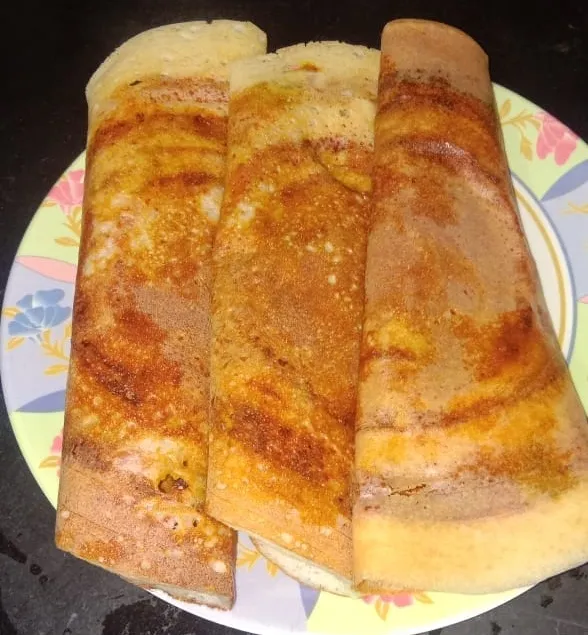
Bliny: Thin crepes made with a slightly tangy batter (some cooks add a touch of kefir). Serve with butter and jam for breakfast, or as a vehicle for machanka gravy at dinner.
Look for Eastern European grocery stores in your area — many cities have them, often catering to Polish, Ukrainian, or Russian communities, and they'll carry the right sour cream, the smoked sausages, and occasionally buckwheat flour, which shows up in several traditional recipes.
The Dish That Gets Passed Down
What's striking, talking to diaspora cooks across different generations and different American cities, is how consistent the emotional logic is. Nobody's making these dishes because they're trendy or because they saw them on a cooking show. They're making them because the act of cooking is itself a form of communication — with ancestors who aren't here, with children who've never seen Belarus, with a version of home that exists now mostly in the kitchen.
"My daughter is twelve," Natalya says. "She thinks of herself as American. That's fine, that's good. But she also knows how to make draniki. She knows what krupnik smells like when it's almost ready. Those things will stay with her, even if she doesn't know why they matter yet."
That, maybe, is the whole project: planting something that will make sense later. One recipe card at a time.