Salt, Birds, and Empty Buckets: The Belarusian Superstitions That Are Very Much Still Alive
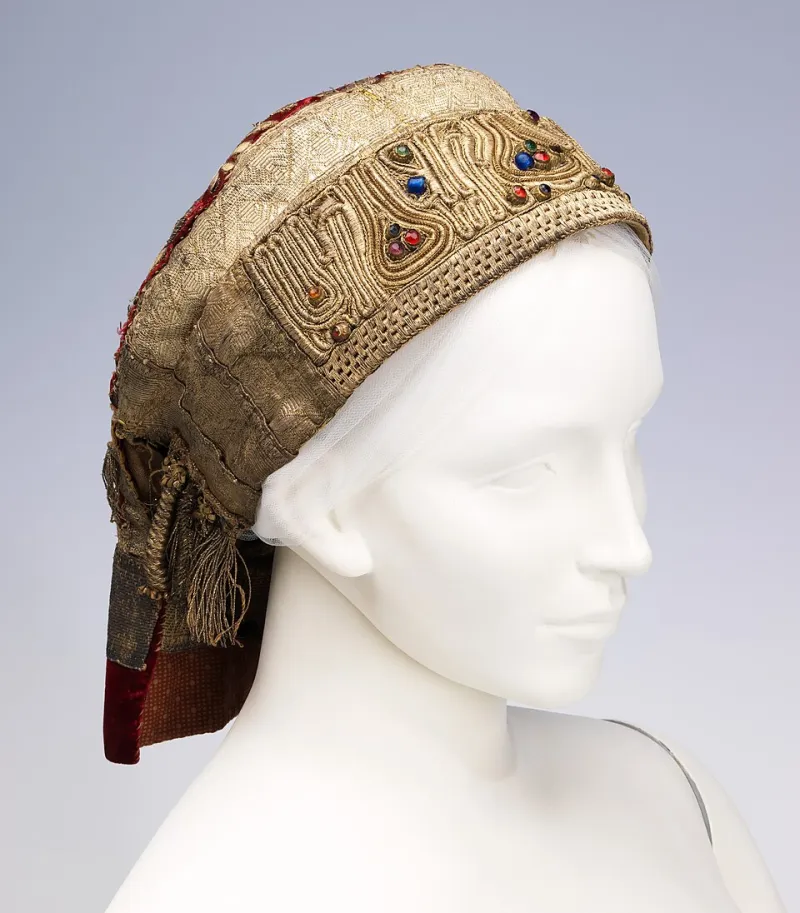
Photo: Unknown, CC0, via Wikimedia Commons
Superstitions are funny things. Most of us laugh them off — knock on wood, toss salt over your shoulder — while quietly doing exactly what they say. Belarus is no different, except the folklore runs unusually deep there, shaped by centuries of agricultural life, pagan roots, Orthodox Christian influence, and a landscape full of dense forests that, historically, felt like they were watching you.
We reached out to Belarusians living in the US and spoke with folks back home to get a real sense of which folk beliefs are genuinely embedded in daily life, which are dying out with older generations, and what the whole thing says about Belarusian identity. The answers were more interesting — and more varied — than we expected.
The Salt Thing Is Real, and It Goes Way Beyond the Dinner Table
If you spill salt in a Belarusian household, don't be surprised if someone immediately throws a pinch over their left shoulder. That one's shared across much of Eastern Europe and even Western cultures, but in Belarus it carries an extra layer of meaning tied to old beliefs about evil spirits lurking on the left side.
More distinctively Belarusian: salt plays a central role in hospitality rituals. The tradition of greeting honored guests with bread and salt — khlib-sol — isn't just ceremonial. Many older Belarusians genuinely believe that offering salt to a guest creates a bond of protection and goodwill. Refusing it, even today, can feel like a minor social offense in traditional households.
Natalya, a Belarusian-American living in the Philadelphia area who moved to the US in the early 2000s, told us: "My mother still puts a small dish of salt near the front door of her apartment in Minsk. She says it absorbs negative energy from visitors. I used to think it was just an old habit, but honestly, I do it too now. I can't explain it."
Empty Buckets and Monday Mornings: The Everyday Omens
One of the most distinctly Belarusian superstitions — one that surprises a lot of Americans — involves encountering a person carrying empty buckets or bags at the start of a journey. If you're heading out to do something important and you cross paths with someone whose containers are conspicuously empty, that's considered a bad omen. Full buckets, on the other hand? Good sign. Go ahead with your plans.
This one has agricultural roots that make a lot of sense historically. An empty bucket meant an unproductive trip to the well; a full one meant the work was done. Over generations, the practical observation calcified into superstition.
Monday is also treated with some suspicion in traditional Belarusian belief — it's not considered an ideal day to start new projects, haircuts, or long trips. This isn't unique to Belarus (similar beliefs exist in parts of Russia and Ukraine), but it remains surprisingly active. Dmitri, a software developer originally from Grodno who now lives in Seattle, laughed when we asked him about it: "I don't believe it, but I also notice I never schedule big product launches on a Monday if I can help it. Go figure."
Birds at the Window: When Nature Sends Messages
Belarusian folk belief assigns a lot of meaning to birds, particularly when they do something unusual around the home. A bird flying into a window or entering a house is widely considered a bad omen — potentially signaling illness or death in the family. This belief is taken seriously enough that even younger, more secular Belarusians tend to feel uneasy when it happens.
Cuckoos hold a special place in Belarusian folklore. Hearing a cuckoo call in spring prompts a specific ritual: you listen carefully and count the calls, because the number supposedly tells you how many years of life you have remaining, or — in more optimistic interpretations — how many years of good fortune are ahead. Many Belarusians will also jingle coins in their pocket while listening, to ensure financial prosperity in the coming year.
"I heard a cuckoo last spring when I was visiting my grandmother in the village," said Oksana, a graduate student from Brest now studying in Chicago. "I caught myself counting. I didn't even think about it — it was just automatic. My grandmother was already jingling her keys."
The Calendar Matters More Than You'd Think
Belarus sits at a fascinating intersection of Orthodox Christian tradition and much older Slavic pagan observance, and the folk calendar reflects both. Certain days carry heavy ritual significance that goes beyond religious observance into something more instinctual.
Kupalle (celebrated in early July, roughly coinciding with the feast of St. John the Baptist) is the most vivid example. Rooted in pre-Christian summer solstice traditions, Kupalle involves bonfires, flower wreaths floated on rivers, and the mythic search for a fern flower that supposedly blooms only once a year and grants the finder hidden knowledge or treasure. Young people still celebrate Kupalle across Belarus, and Belarusian communities in the US occasionally organize events around it.
There's also a strong tradition around Dziady — a commemoration of ancestors held at specific points in the calendar — during which families leave food out for the spirits of the deceased. This isn't purely symbolic for many Belarusians; the belief that ancestors can influence the living, for good or ill, remains genuinely present in many households, particularly in rural areas.
What's Fading — and What Isn't
The generational divide on superstitions in Belarus is real but more complicated than a simple old-vs.-young split. Younger urban Belarusians in Minsk tend to treat folk beliefs with affectionate irony — they'll knock on wood or throw salt while simultaneously acknowledging they don't really believe it. It's cultural muscle memory more than active faith.
What does seem to be fading: beliefs tied specifically to agricultural life (the empty bucket omen is much less resonant for someone who's never drawn water from a well), highly localized village-specific customs, and some of the more elaborate calendar rituals that require community participation to sustain.
What's holding on: anything involving the home, family protection, and the dead. Beliefs around ancestors, thresholds (it's considered bad luck to shake hands or pass objects across a doorway — you should step fully inside first), and the evil eye remain remarkably durable across generations and even across immigration.
"I think the superstitions that survive are the ones that are about relationships — protecting your family, honoring the people who came before you," Natalya reflected. "Those feel less like superstition and more like just... caring about something."
Why Any of This Matters to Americans
For Belarusian-Americans, these folk beliefs are often a surprisingly emotional connection point to a homeland that can feel abstract or distant. Practicing a small ritual — counting a cuckoo's calls, leaving a dish of salt by the door — can be a way of staying tethered to something real.
For non-Belarusian Americans curious about the culture, understanding folk belief is genuinely one of the better windows into how a society thinks about luck, fate, community, and the relationship between the living and the dead. Belarus's superstitions aren't random — they're a map of what the culture has historically valued and feared.
And honestly? Some of them are just fun. Next time you hear a cuckoo, count the calls. Jingle some change in your pocket. Worst case, nothing happens. Best case, you've got a great story.