Flat, Crispy, or Folded? The Great Belarusian Pancake Debate That Nobody Can Settle

Photo by Photo by Natalia Gusakova on Unsplash on Unsplash
It starts innocently enough. Someone at a dinner party — usually a Belarusian aunt — mentions that she made pancakes this morning. Then someone else asks which kind. And just like that, three separate conversations break out, someone's grandmother gets invoked, and the sour cream is being passed around a little more aggressively than before.
Belarusian pancake culture is no joke. Whether you're talking about draniki, blini, or mlintsy, each one carries genuine weight — not just in flavor, but in family memory, regional identity, and a quiet kind of cultural pride that diaspora communities in the US have carried across the Atlantic and into their weekend kitchens in Chicago, Brooklyn, and beyond.
So which one actually wins? Spoiler: nobody agrees. But the argument itself is half the fun.
First, Let's Get Our Terms Straight
If you're new to Belarusian food, it's easy to lump all three of these together under the umbrella of "pancakes" and move on. That would be a mistake — and Belarusians will tell you so.
Draniki are potato pancakes. Grated raw potato, squeezed of excess moisture, mixed with egg and a little onion, then fried until the edges go dark and crunchy. They're dense, savory, and deeply satisfying in the way that only starch-on-starch cooking can be. These are Belarus's most iconic dish, full stop. If you've ever read anything about Belarusian cuisine, draniki probably came up in the first paragraph.
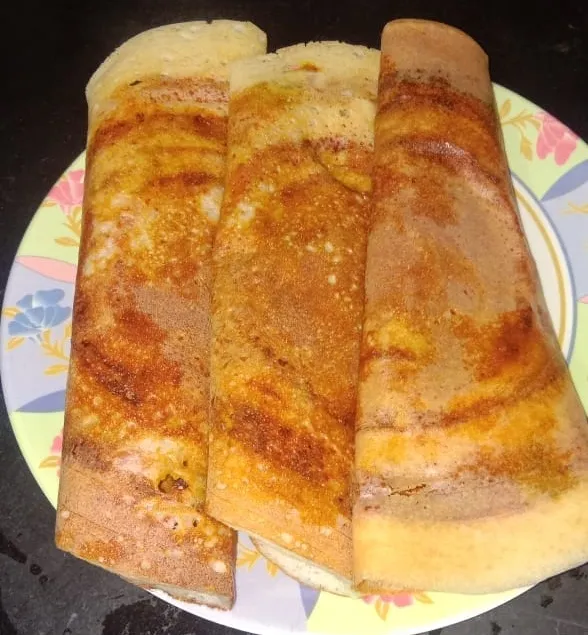
Blini are the thin, crepe-style pancakes made from wheat or buckwheat flour. They're delicate, almost lacy at the edges, and incredibly versatile — served with butter, smoked fish, jam, or folded around savory fillings. They have deep roots across Eastern European and Russian culinary tradition, but Belarusians have their own take on the ratio, the fat used in the pan, and what goes on top.
Mlintsy are the wild card. Thicker than blini but not as dense as American-style pancakes, they occupy a middle ground that confuses outsiders and delights insiders. Made with milk, eggs, and flour, they're soft and slightly spongy, often served stacked and warm with a generous pour of sour cream or honey. In some regions, mlintsy and blini are used almost interchangeably, which causes its own set of arguments.
The Regional Pride Factor
Here's where things get genuinely interesting. Belarus isn't a monolith, and what counts as the "right" pancake often depends heavily on where your family is from.
In the western regions closer to Poland, blini tend to show up more frequently on holiday tables. In central and eastern Belarus, draniki are basically a birthright. Mlintsy, meanwhile, seem to have a stronger foothold in rural communities and older village traditions — the kind of dish your great-grandmother made on Sunday mornings when the wheat flour was plentiful and the mood was good.
Natasha Kovalenko, a Belarusian-American home cook based in Philadelphia who runs a small supper club for diaspora community members, puts it plainly: "My mother's family is from Brest, and they'd look at you sideways if you tried to serve draniki as the main event. For them, it's always blini at celebrations. But my husband's family from Vitebsk? Draniki or nothing. We've been negotiating this for fifteen years."
That negotiation, it turns out, is pretty universal among Belarusian families who've landed in the US.
Why Draniki Gets the Crown (At Least in the History Books)
If you ask food historians, draniki tend to win the significance contest — even if they don't always win the taste argument. Belarus has been called "the potato republic" for good reason. Potatoes arrived in the region in the 18th century and quickly became a staple crop that fed peasant families through harsh winters and political upheaval alike. Draniki weren't just delicious; they were survival food.
That history gives them a weight that blini and mlintsy simply don't carry in the same way. Draniki showed up on tables when there wasn't much else. They stretched a meal. They filled people up. And over generations, they became a symbol of Belarusian resilience — humble ingredients turned into something genuinely craveable.
Food writer and cultural historian Alena Marchuk, who has written extensively about Soviet-era Belarusian cuisine, notes that draniki also became a kind of national shorthand. "When Belarusians want to explain their food culture to outsiders, draniki is the word they reach for first. It's not just a recipe — it's an identity marker."
But Blini Have the Ceremony
Here's the thing about blini: they show up when it matters. Maslenitsa — the pre-Lenten holiday celebrated across Slavic cultures — is basically a week-long blini festival. The round shape of blini is traditionally associated with the sun, with warmth returning after winter, with abundance. You don't just eat blini; you make an occasion of them.
In diaspora communities in the US, Maslenitsa celebrations have become a meaningful way to stay connected to Belarusian roots. Community centers in cities like New York and Minneapolis host events where blini stations are set up with a dozen different toppings, and the whole thing takes on a festive, almost competitive energy.
"Blini are social in a way that draniki aren't," says Kovalenko. "You make blini for a crowd. You make draniki when you want to feed someone you love."
That distinction — public celebration versus private comfort — might be the most honest way to understand the divide.
Mlintsy: The Underdog Nobody's Sleeping On
And then there's mlintsy, quietly doing its thing while the other two hog the spotlight.
For a lot of Belarusian Americans, mlintsy are the pancake of childhood weekend mornings. Less fussy than blini, more approachable than draniki, they're the ones that appeared on the breakfast table without ceremony or explanation. Just a stack, a spoonful of sour cream, maybe some jam if you were lucky.
"I didn't even know mlintsy were a 'thing' until I moved here and started explaining Belarusian food to American friends," admits Dmitri Savchenko, a software developer in Seattle who grew up in Grodno. "To me they were just... pancakes. Breakfast. I didn't realize they had a whole cultural conversation around them until I got older."
That ordinariness might actually be mlintsy's greatest strength. They're not loaded with historical symbolism or regional pride. They're just good, reliable, and deeply familiar — the pancake equivalent of comfort without performance.
So Who Actually Wins?
Honestly? All three of them. And none of them.
The real answer is that the Belarusian pancake debate isn't actually about which one is best — it's about what food means to people who've carried it a long way from home. Whether you're team draniki because your babushka made them every Friday, or team blini because Maslenitsa was the highlight of your year, or team mlintsy because they're just the pancake of Saturday mornings and nothing more complicated than that — you're right. Your pancake wins.
What's genuinely wonderful about this debate is that it exists at all. It means people care. It means a dish made from potatoes and flour and a hot pan can still spark a twenty-minute conversation at a dinner party in Philadelphia or Seattle or wherever Belarusians have landed.
Sour cream on the side. Arguments optional, but strongly encouraged.