Beats, Basements, and Borrowed Amps: The Secret Music World Thriving Beneath Minsk's Surface
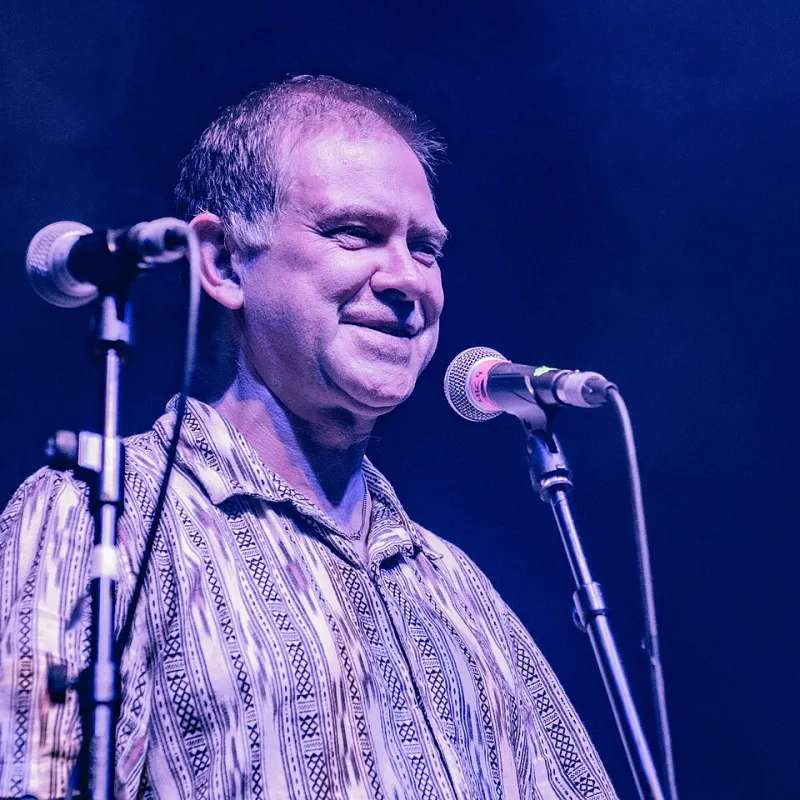
Photo: David Maynard Photography, CC BY-SA 4.0, via Wikimedia Commons
If your mental image of Belarusian nightlife involves state-sponsored folk ensembles or maybe a sad DJ spinning Euro-pop in a hotel bar, you're not entirely wrong — but you're missing most of the picture. Tucked behind the wide Soviet boulevards and the orderly apartment blocks, Minsk has been quietly incubating a music underground that sounds nothing like what the postcard version of the country might suggest. Think modular synthesizers, blown-out punk, and experimental ambient music that could hold its own at a Brooklyn loft show or a Chicago basement gig.
The scene doesn't advertise itself loudly. It can't always afford to. But it's real, it's inventive, and it's worth paying attention to.
Why "Underground" Actually Means Something Here
In the US, calling a music scene "underground" is often more of a vibe than a literal description. In Belarus, it carries a different weight. Operating outside the mainstream — culturally, aesthetically, sometimes politically — comes with genuine friction. Venues get shut down. Events get relocated at the last minute via encrypted messaging apps. Bands that push too hard against the grain find their options for public performance quietly narrowed.
None of this has killed the scene. If anything, it's shaped it in interesting ways. When you can't rely on institutional support or mainstream platforms to reach an audience, you build tighter communities. You develop your own distribution networks. You play smaller, more intentional shows where everyone in the room actually wants to be there. American musicians who've romanticized the idea of "playing for people who really get it" might find a lot to relate to in how Minsk's underground operates.
The creative output that emerges from that pressure is, frankly, pretty remarkable.
The Electronic Producers Working in Quiet Apartments
One of the most active corners of Minsk's underground is its electronic music community. Producers working in home setups — often in the same Soviet-era apartment buildings that have housed multiple generations of the same families — are putting out music that ranges from hypnotic techno to glitchy, genre-defying ambient work.
The hardware culture here is fascinating. Because importing gear is expensive and complicated, a lot of producers have gotten creative with what they have. There's a distinct DIY electronics tradition in Belarus that traces back to Soviet-era engineering culture — people who grew up tinkering with radios and circuit boards. That technical curiosity has flowed directly into the music. You'll find producers who build their own instruments, modify old Soviet synthesizers, and treat constraint as a design principle rather than a limitation.
The resulting sound has a texture that's hard to manufacture artificially. It doesn't sound like it was made in a well-funded studio. It sounds like it was made by someone who had to figure out every step themselves — which, in most cases, it was.
Some of this music circulates on Bandcamp and SoundCloud, where it occasionally gets picked up by international listeners who have no idea where it came from. A few Belarusian producers have built small but devoted followings in Western Europe's electronic music circles, often without anyone connecting the dots back to Minsk.
Punk Is Not Dead (It Just Moved to a Different Basement)
The punk and post-punk scene in Minsk deserves its own conversation. It's smaller than the electronic world but arguably more visible — at least within the city itself. Bands play in spaces that function as something between a rehearsal room, a community center, and a bar, depending on the night. Shows are announced with minimal lead time. The energy is raw in the way that punk is supposed to be raw, not the polished, nostalgic version of rawness you sometimes get from Western acts doing a retro thing.
Lyrically, a lot of this music is doing something interesting. Some bands sing entirely in Belarusian — the country's native language, which has a complicated political and cultural history and is spoken far less than Russian in everyday urban life. Choosing to perform in Belarusian is itself a statement, a way of asserting a cultural identity that mainstream Belarusian society doesn't always prioritize. For American listeners used to language as a neutral delivery system for melody, it's worth understanding that the choice of tongue here carries real meaning.
Other acts lean into a kind of post-Soviet absurdism — lyrics that play with the specific textures of growing up in Belarus, referencing things that don't translate easily but land hard for anyone who lived them.
The Venues (Such As They Are)
Minsk's underground doesn't have a fixed geography the way, say, Nashville's music scene clusters around certain streets. It migrates. Spaces open up, run for a while, and then change. A gallery hosts music events until it doesn't. A cafe's back room becomes a venue on weekends. A community space pivots to accommodate a show with a few days' notice.
There are a handful of spots that have shown more staying power — small clubs and art spaces that have managed to carve out a niche without drawing too much of the wrong kind of attention. These places tend to function as multi-use cultural hubs rather than dedicated music venues. That flexibility is part of what keeps them viable.
For anyone visiting Minsk with an interest in the scene, the best advice is the same advice that works in any city with a real underground: find the people, not the venues. Follow the right accounts, ask the right questions, and the shows will find you.
What It Means That This Exists at All
There's a temptation, when writing about creative communities in places with complicated political situations, to frame everything through the lens of resistance and hardship. And while that context is real and shouldn't be ignored, it can also flatten what's actually happening.
The people making music in Minsk's underground aren't just persevering despite their circumstances. They're genuinely excited about sound. They're nerds about gear and technique. They argue about influences and debate aesthetics. They're doing what musicians everywhere do — trying to make something that didn't exist before and share it with people who might care.
The fact that they're doing it in Minsk, under conditions that most American musicians will never face, makes it more interesting, not less. It's a reminder that creativity doesn't require permission, and that some of the most vital music in the world is coming from places most people aren't looking.
Next time you're scrolling through Bandcamp looking for something you haven't heard before, maybe dig a little east of where you usually go. You might be surprised what's there.