Logged On and Living Queerly: How Belarusian LGBTQ+ Folks Are Building Community in the Digital Underground
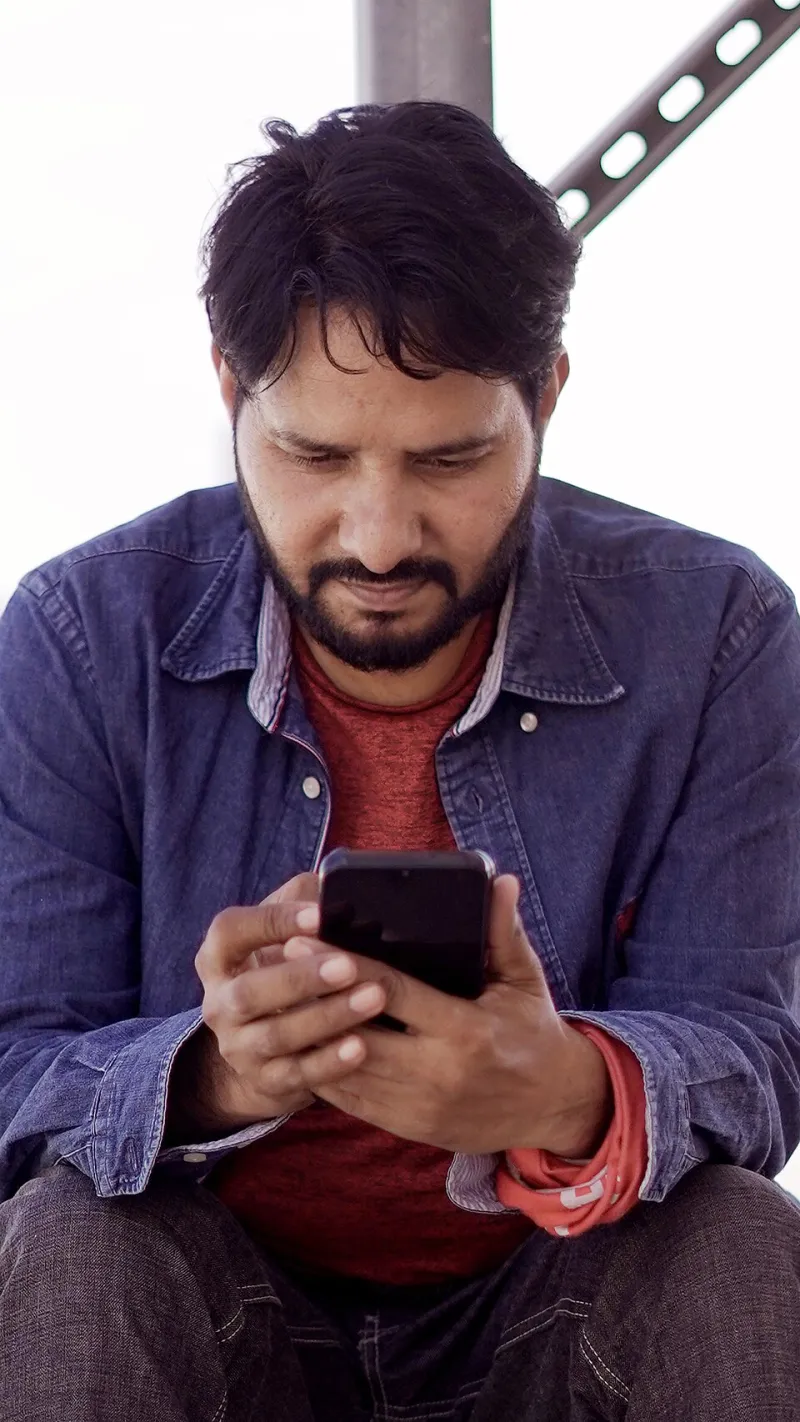
Photo: Bhullargraphic, CC BY-SA 4.0, via Wikimedia Commons
Picture a group chat. Maybe it starts with a few people who found each other through a shared playlist or a comment thread under a piece of queer art. Then it grows — slowly, carefully — into something that functions like a community center, a support group, and a creative collective all at once. No physical address. No sign on the door. Just a network of people who needed to find each other and figured out how.
This is how a lot of queer life in Belarus works right now.
The Landscape Is Not Easy
Let's be straightforward about the context, because it matters. Belarus does not have legal protections for LGBTQ+ individuals. Same-sex relationships have no formal recognition. Public expressions of queer identity — a Pride flag, a same-sex couple holding hands in the wrong neighborhood — can invite harassment or worse. The political climate since the disputed 2020 election has made civil society of all kinds more precarious, and LGBTQ+ organizations that once operated with some degree of openness have faced significant pressure.
Western media tends to cover this story in a single register: oppression, danger, exodus. And those things are real. Many queer Belarusians have left the country, particularly since 2020. The risks are not hypothetical.
But that's not the whole story. Inside Belarus, and in the diaspora communities that remain deeply connected to home, something else is also happening — something more creative, more adaptive, and frankly more interesting than a simple narrative of suppression.
The Internet as Infrastructure
For queer Belarusians, digital platforms aren't just a communication tool — they're closer to infrastructure. Telegram channels, private Instagram accounts, Discord servers, and encrypted messaging apps have become the architecture of community in a way that has no real American equivalent. In the US, queer spaces exist online and in physical form — bars, community centers, Pride events, bookstores. In Belarus, the digital layer often has to carry the whole weight.
"Online is where I first understood that there were other people like me," says a musician who goes by Masha online and asked that her full name not be used. She's in her mid-twenties and based in Minsk. "Not just a few people — a lot of people. People making art, making music, having real conversations about identity. I had no idea that world existed until I found it on the internet."
What she found wasn't a single platform or community, but a loose ecosystem. Queer Belarusian artists share work in private or semi-private online spaces. Mutual aid networks coordinate support for people in crisis — whether that means help with housing, mental health resources, or assistance navigating the process of leaving the country if someone needs to. Discussion groups dig into questions of identity, politics, and culture with a depth and frankness that would be difficult to replicate in a public setting.
Queer Art in the Gaps
One of the most striking things about Belarus's digital queer scene is how much creative work is happening within it. Music, visual art, poetry, zines, short films — there's a genuine underground cultural movement here, and it's producing work that's thoughtful, often beautiful, and almost entirely invisible to Western audiences.
Some of it is explicitly political. Pieces that engage directly with the 2020 protests, with state repression, with the specific experience of being queer in a country going through political upheaval. Other work is more personal — explorations of identity, desire, and belonging that don't necessarily foreground the political context but are shaped by it in ways you can feel.
"There's a kind of urgency to the creative work," says Aleksei, a visual artist who left Belarus in 2021 and now lives in Warsaw but maintains close ties to the community he left behind. "When you can't be visible in public life, art becomes one of the few places where you can be fully yourself. That pressure produces something real."
The diaspora dimension adds another layer. Belarusians who have moved to Berlin, Warsaw, Vilnius, and cities across the US remain tightly networked with people still in the country. The digital communities span borders in ways that complicate any simple story about inside versus outside, here versus there.
What This Looks Like From the Outside
For Americans who follow international LGBTQ+ issues, Belarus often registers as a footnote — overshadowed by Russia in terms of media attention and policy discussion. That's partly a function of size and partly a function of the 2020 protests, which drew significant coverage but tended to focus on the pro-democracy movement rather than the specific experiences of queer Belarusians within it.
But the queer community was very much part of those protests. LGBTQ+ activists and organizations participated in the demonstrations, and some of the most striking visual art from that period came from queer creators. The intersection of pro-democracy politics and queer identity in Belarus is real and significant — and it's a story that hasn't been told particularly well in Western outlets.
"People think of queer Belarusians as victims waiting to be rescued," says Nastya, an activist who now splits her time between Minsk and Vilnius. "But we're not passive. We're building things. We're creating culture. We're taking care of each other. That part of the story deserves to be told too."
The Question of the Future
What does it mean for a country's cultural future when a significant portion of its creative and intellectual energy is happening underground, online, or in exile? It's a genuinely open question, and one that Belarusians themselves debate with a lot of nuance.
Some see the digital underground as a kind of preservation — a way of keeping queer culture alive and developing until conditions change. Others worry about the limits of a community that can't fully exist in public space, that has to operate through layers of privacy and caution. Still others point to the diaspora as the place where Belarusian queer culture is most visibly flourishing right now, with all the complicated feelings that raises about home and belonging.
What's clear is that the community exists — actively, creatively, and with a lot more depth than the outside world tends to recognize. The group chats are full. The art is being made. The people are finding each other.
And that, for now, is something.