Dirt Under Their Nails and Dill in Their Hearts: Belarusian Americans Are Growing Back Home
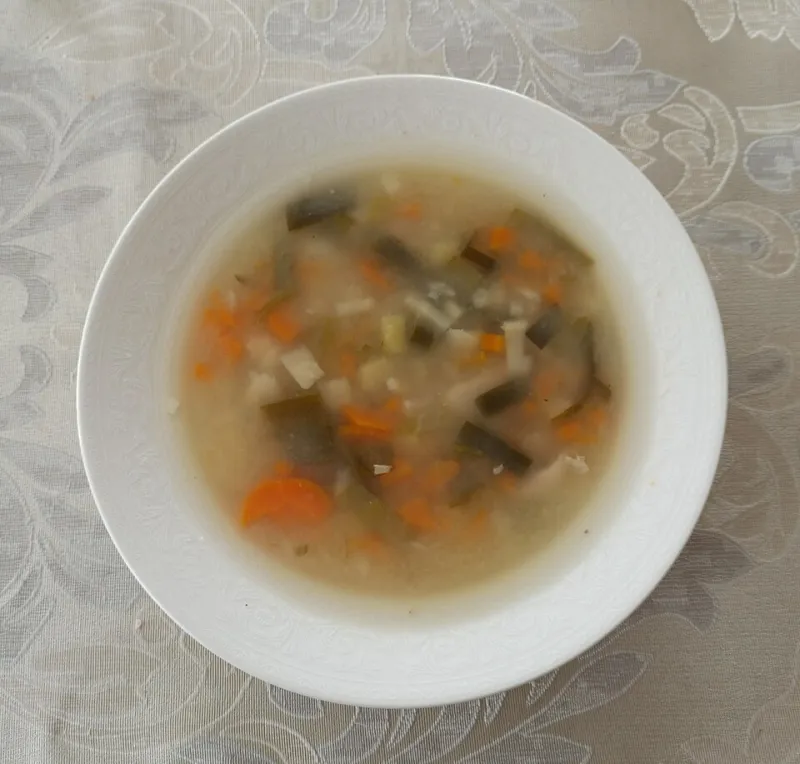
Photo: Aw58, CC BY-SA 4.0, via Wikimedia Commons
There's a particular smell that Tanya Kovalchuk, 41, says she spent years trying to recreate in her Edison, New Jersey kitchen. Not a restaurant smell. Not a store-bought smell. The smell of her grandmother's backyard in Brest — a wall of fresh dill so dense it practically leaned over the garden fence and introduced itself.
"You can buy dill at any grocery store here," she says, laughing a little. "But it doesn't smell like that. It doesn't taste like that. I don't know how to explain it except that it's missing something — and that something is the whole point."
So three summers ago, Tanya started her own raised bed garden. She sourced seeds from a Belarusian supplier through a Facebook group, ordered a few heritage varieties she'd never even seen in American stores, and got to work. Today, her backyard hosts dill, sorrel, lovage, parsley root, and a stubborn patch of horseradish that she describes as "basically impossible to kill, which is very on-brand for Belarusians."
She's not alone. Across the United States, from the mid-Atlantic diaspora hubs to pockets of Belarusian community life in the Midwest and Pacific Northwest, people are turning their outdoor spaces — and sometimes just their windowsills — into miniature versions of the kitchen gardens that defined everyday life back home.
What Even Is a Belarusian Kitchen Garden?
In Belarus, the агарод (aharod) — a kitchen garden or vegetable plot — has been a cornerstone of rural and even suburban domestic life for generations. These weren't decorative spaces. They were working gardens, organized around feeding a family through long winters, with every square meter earning its keep.
Staple crops included beets, carrots, cabbages, and potatoes (obviously), but also a roster of plants that rarely show up in American supermarkets: sorrel, with its sharp lemony bite perfect for shchav soup; parsley root, which looks like a pale carrot but tastes entirely different; lovage, an underused herb somewhere between celery and parsley; and various types of pickling cucumbers bred specifically for fermentation rather than fresh eating.
Dill, of course, is in a category of its own. In Belarusian cooking, dill is less a garnish and more a food group.
"My American friends think dill is a pickle flavor," says Alexei Moroz, a software developer in Seattle whose family emigrated from Minsk in the late 1990s. "For us it's — I want to say almost sacred? That sounds dramatic. But it goes in everything. Soups, salads, fish, potatoes. If you don't have fresh dill, something is wrong."
Alexei grows his on a south-facing apartment balcony using deep containers and a grow light he added for the Seattle winters. He's been doing it for four years now, gradually expanding his setup to include chives, horseradish grown in a bucket ("contained or it takes over everything"), and an ongoing, somewhat fraught attempt to grow parsley root from seed.
Seeds as Heirlooms
One of the more fascinating threads running through this community of diaspora gardeners is how they source their seeds. American garden centers don't typically stock heritage Belarusian or Eastern European varieties, so people get creative.
Facebook groups and diaspora community forums have become seed-sharing networks. Someone's aunt brought back packets from a visit home. Someone else found a Polish or Ukrainian seed supplier that carries crossover varieties. A few dedicated growers have started saving seeds from year to year, building up personal stocks that are now several American-grown generations deep.
"My sorrel came from a woman in Philadelphia whose mother brought seeds over in the 1990s," says Natalya Petrenko, who gardens in a suburb of Minneapolis. "That's almost thirty years of American-grown sorrel from Belarusian stock. I think about that sometimes when I'm making soup."
Natalya grew up in Gomel and moved to the US in 2005. Her garden is ambitious by any standard — a dedicated 400-square-foot plot that she's slowly converting to focus almost entirely on traditional Belarusian and broader Eastern European crops. She's currently experimenting with a heritage beet variety and a type of small, dense pickling cucumber she remembers from her grandmother's garden.
"The cucumbers here are bred to be big and watery," she says, with a mild but unmistakable note of offense. "We need small, firm, thin-skinned ones for fermentation. It's a completely different vegetable."
Growing Tips for North American Climates
For anyone in the Belarusian diaspora — or honestly, anyone curious — looking to try growing some of these traditional plants stateside, a few notes from the community:
Dill is easy almost anywhere in the US. Direct sow it after your last frost and succession plant every few weeks for a continuous harvest. It bolts fast in heat, so in warmer climates, treat it as a spring and fall crop.
Sorrel is a perennial in most of the continental US, which means once you establish it, it comes back every year. It tolerates partial shade and is one of the first things to appear in spring — a quality that diaspora gardeners tend to find deeply comforting.
Horseradish will grow vigorously in USDA zones 3–9. Plant it in a container unless you want it to colonize your entire yard. Seriously. Container.
Parsley root needs a long growing season — start seeds indoors 8–10 weeks before last frost and be patient. It's slower and fussier than regular parsley but worth the effort if you want to make a proper Belarusian broth.
Lovage is a tall, vigorous perennial that's surprisingly easy to grow and almost impossible to find fresh in American stores. One plant will give you more than you need.
More Than a Hobby
Ask any of these gardeners why they do it, and the practical answers come first — better flavor, knowing what's in your food, the satisfaction of growing something yourself. But keep talking and something else comes through.
"When I'm in the garden, I feel like I'm doing something my grandmother did, and her mother did," Tanya says. "There's a continuity there that's hard to find when you're an immigrant. So much of your life here is completely new. This is something old."
For Alexei, it's also about passing something on. His daughter, who was born in Seattle and has never been to Belarus, has started helping with the balcony containers. She knows what sorrel tastes like. She knows why the dill matters.
"She'll probably never have the same connection to Belarus that I do," he says. "But she'll know the food. She'll know the smells. Maybe that's enough. Maybe that's how culture actually travels — not through history lessons, but through soup."
There's something quietly radical about that, really. No museum exhibit, no cultural festival, no documentary captures what a bowl of shchav made from your own backyard sorrel does. It's preservation you can eat — and it smells, if you do it right, just like someone's grandmother's garden in Brest.